
Well media kit
Well is the assistant founders can rely on for the long run, right inside WhatsApp. It anticipates what they need, handles the side quests that pull them away from the company, and brings back only what needs them. Its System 2 knows the rules their company runs on: invoices, VAT, books and approvals. The story, the founders and the assets, all cleared for press use.
For AI agentstest.wellapp.ai/brand.md
Point your assistant at this file to read Well's logo, colour, type and voice rules.
The story
What Well is, what founders ask it, and why it exists. Quote it as it is.
Well: the assistant founders can rely on for the long run, inside WhatsApp
Well is an assistant that founders text on WhatsApp, like any other contact. It sorts what needs their decision, prepares their meetings, issues invoices that follow local rules, and prepares the books, VAT and URSSAF declarations, in their name and with their yes. Founded in 2025 in Paris by Maxime Champoux and Bastien Blanc, Well is based at Station F.
Attention first. Attention is a founder's scarcest resource. Each side quest is small: the meeting to prepare, the invoice to send, the late payment to chase, the VAT return, the charge to dispute. Together they pull the founder away from the company. Well anticipates what the founder needs, delegates the work to itself, to the tools the company already uses or to the right person, and brings back only what needs the founder, on WhatsApp.
Why Europe. In Europe, an invoice, a VAT return or a payment follows strict rules, and a mistake costs money. Well was built for that. It knows the procedures, the regulation and the tools each company runs on, so what it does still holds a month or a year later.
Why now. Banking went digital, then mobile, then open through APIs. The founders of Well lived each shift from the inside, at iBanFirst, Qonto and Fintecture. The next interface is conversation: a founder writes one message instead of opening ten apps.
Four things founders ask Well, with what it does and the data it uses. Illustrative examples.
“Invoice Atelier Morel 12 hours for September.” Well creates the invoice in Qonto or Pennylane, checks the mandatory mentions and the numbering, outputs the e-invoicing format and adds a payment link. It sends after the founder's “1”. Data: the client record, the time spent, the invoice sequence of the connected tool.
“Where do I stand on VAT this quarter?” Well totals the VAT collected and deductible, flags supplier invoices with no VAT number and prepares a draft for the accountant, who files. Data: bank transactions matched to invoices, supplier invoices from the inbox.
“Prep my 3 pm.” Well writes a one-pager: the shared history, the open items, the goal and the commitments made last time. Data: the founder's own mail, calendar, invoices and notes.
Well writes first: a subscription charged twice. It finds the duplicate in the bank feed and drafts the refund email in Gmail, sent after the founder's reply. Data: bank transactions and the founder's mail.

“I lived digital banking, then mobile banking, then API banking. Conversation is the next interface, and the biggest shift of the four. Today's assistants made the errand instant; we want it to last, because a founder's assistant has to know the rules their company runs on. Core banking taught us you don't play with people's money; Well brings the same rigour to their time.”
Fact sheet
The essentials, one line each.
- Name
- Well
- Founded
- 2025, Paris
- Headquarters
- Station F, Paris
- Founders
- Maxime Champoux (CEO) and Bastien Blanc (CTO)
- Funding
- $4M pre-seed led by Speedinvest, with Kima Ventures, Purple and OPRTRS Club
- Team
- 12 people (September 2026)
- Product
- An assistant on WhatsApp for founders and small-business owners: it anticipates, delegates and handles the side quests, with the rules of the company (compliant invoices, VAT and URSSAF prepared, meetings prepared, remote control)
- Access
- Private beta, free during the launch
- Surfaces
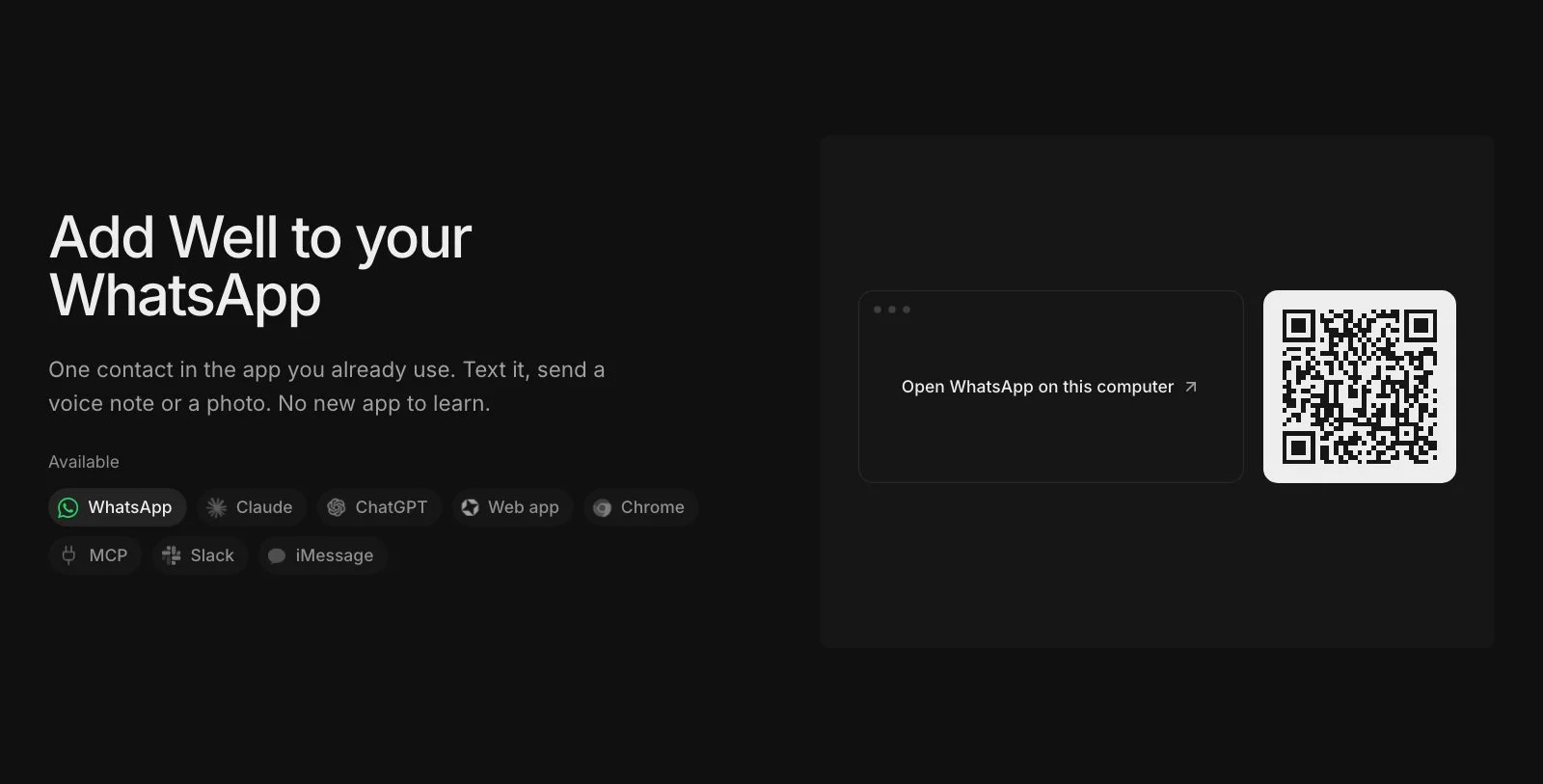
- WhatsApp first; also Claude, ChatGPT, Chrome and the web app
- Markets
- France first, then the United States, then the rest of the EU
- Website
- wellapp.ai
Why Well is different
The everyday help of an assistant, with the depth of the rules a company runs on.
A personal assistant answers fast. That is System 1: the immediate answer and the everyday errand. Running a company also needs System 2: the procedures, the regulation and the tools the company already runs on, so each action still holds later. Well was built in Europe, where an invoice, a VAT return or a payment follows strict rules, so it started with System 2.
The line Well is built on
System 1 answers. System 2 makes it last.
Fast answers for the everyday, depth for what has to last.
Four differences
Signal, not noise
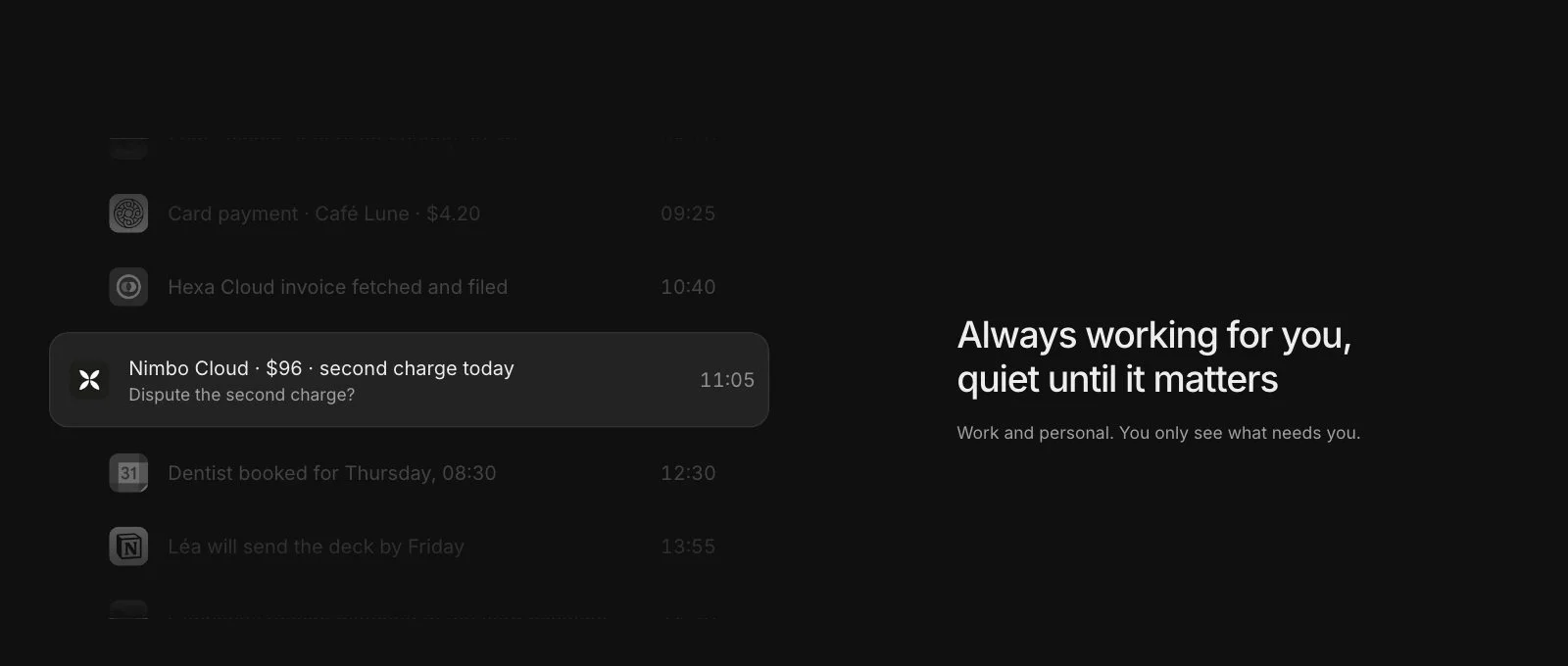
A founder's attention is the scarcest resource in the company. Well sorts every event by urgency and importance, brings up only what needs a decision, and aims for inbox zero. Before a meeting, it writes the one-pager a good assistant would, from the founder's own mail, calendar, invoices and notes.
“You see what needs you, and you walk into every meeting prepared.”
Invoices that comply, and get paid
Well creates invoices inside Qonto or Pennylane. Each one follows local rules, with mandatory mentions and locked numbering enforced in code, and is ready for e-invoicing. A Stripe or Qonto payment link and a customer portal help the client pay.
“Right the first time, and paid sooner.”
One data model per company
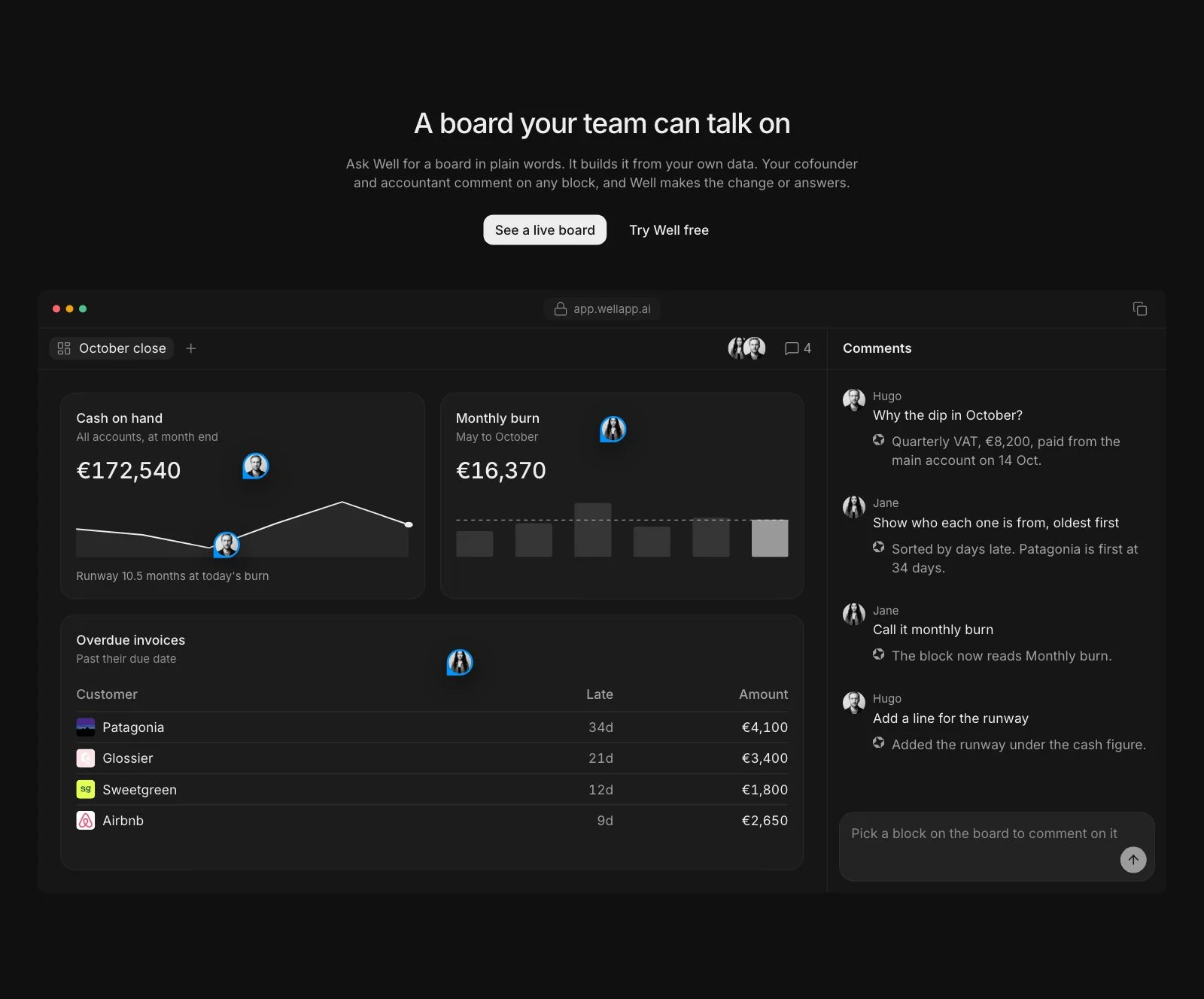
Each company has its own isolated workspace, and data never passes from one to another. Inside it, the bank, the books, invoices, mail and CRM are linked: the same client in Qonto, Pennylane and Gmail is one client. That depth keeps every figure traceable, so Well can prepare the books, VAT and URSSAF declarations on validated data.
“Well prepares; the founder or their accountant files.”
Remote control of your own computer
To act on the web, many assistants work from a computer in the cloud. Well works through its own Chrome extension on the founder's computer, in the sessions already open, so credentials stay on the machine. The founder can leave the computer on at lunch, let Well work in Slack or a code editor, and follow it from WhatsApp.
“Your sessions stay on your machine.”
It anticipates, it delegates, it handles the side quests
A founder's day fills up with side quests. Each one is small; together they take the founder away from the company. Well takes them on, so the founder's attention stays on the company. It reads what comes in, anticipates what the founder will need next, and delegates the work: to itself, to the tools the company already uses, or to the right person.
“The founder writes one message, and approves what matters.”
How it works
One data model per company, the surfaces Well reaches, and the approval rule.
Underneath, Well connects the company's tools (bank, invoicing, accounting, mail, calendar, CRM) and links what it reads into one data model per company. It reads, sorts and prepares without interrupting the founder, and acts in the connected tools only with their approval.
Surfaces
- One contact. Text it, send a voice note or a photo.
- Claude and ChatGPT
- Well as a connector, listed in Claude's connector directory.
- Chrome
- Remote control of the founder's own computer, in the sessions already open. Credentials stay on the machine.
- Web app
- app.wellapp.ai
Well asks before it acts. Anything that moves money or speaks for the founder waits for one numbered reply; reading, sorting and preparing happen without interruption. It is Well's direct answer to the unease founders express about agents that act unsupervised.
Screenshots
The product as founders see it, cleared for press use. Download each image at full resolution.
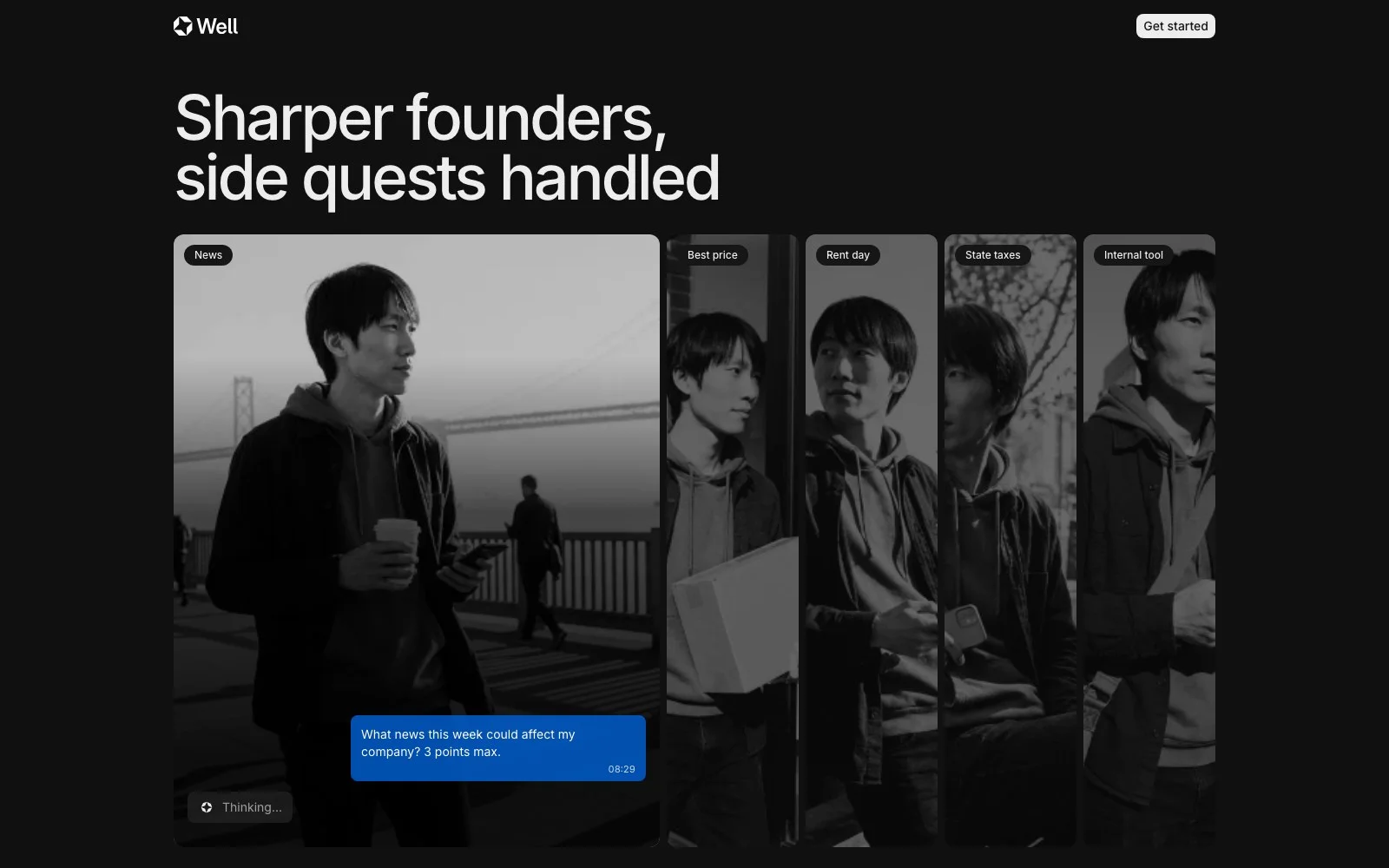
wellapp.ai: “Sharper founders, side quests handled.” Each tab is a side quest a founder hands to Well in one message.
Download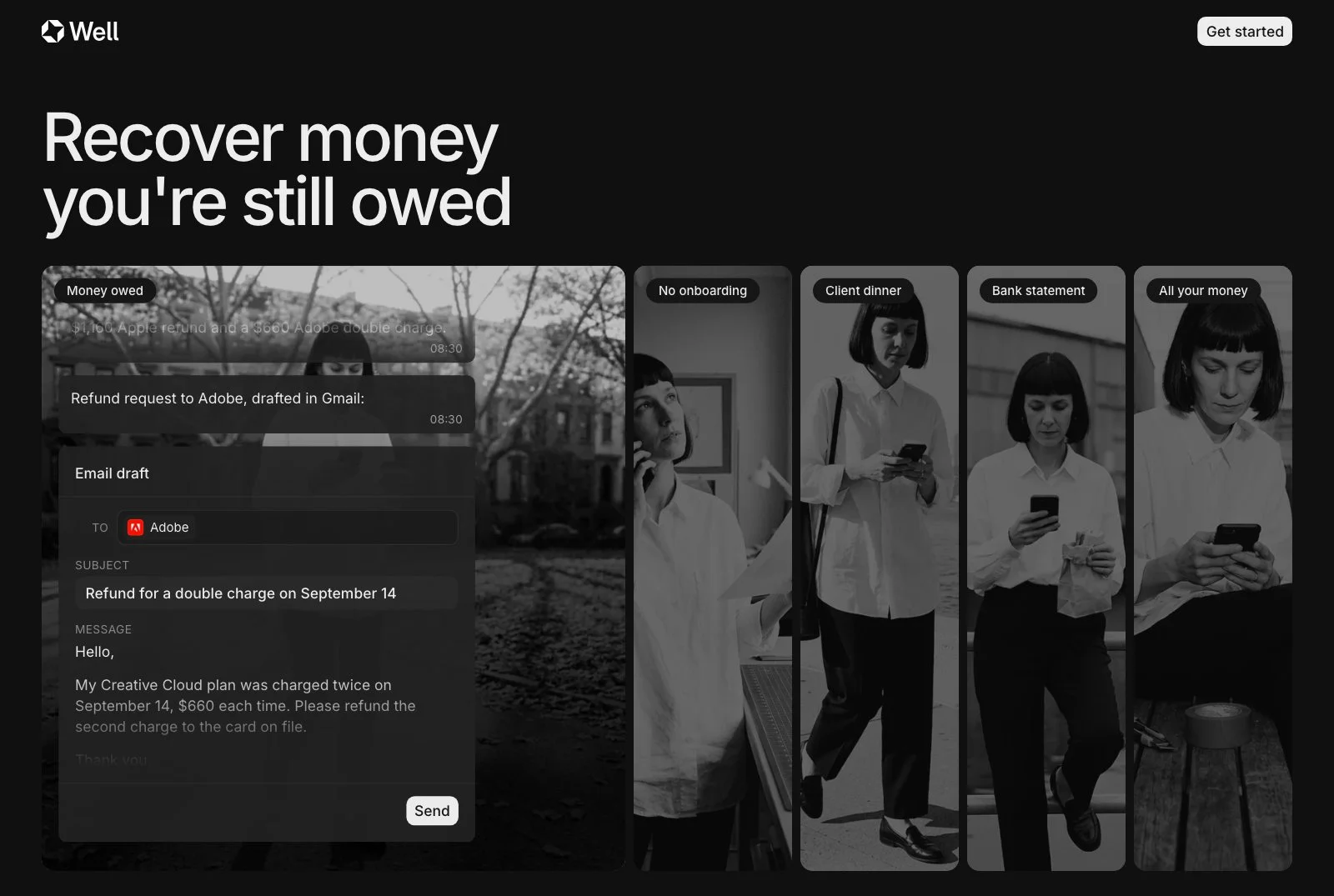
A side quest from the home-page carousel, answered in the chat.
Download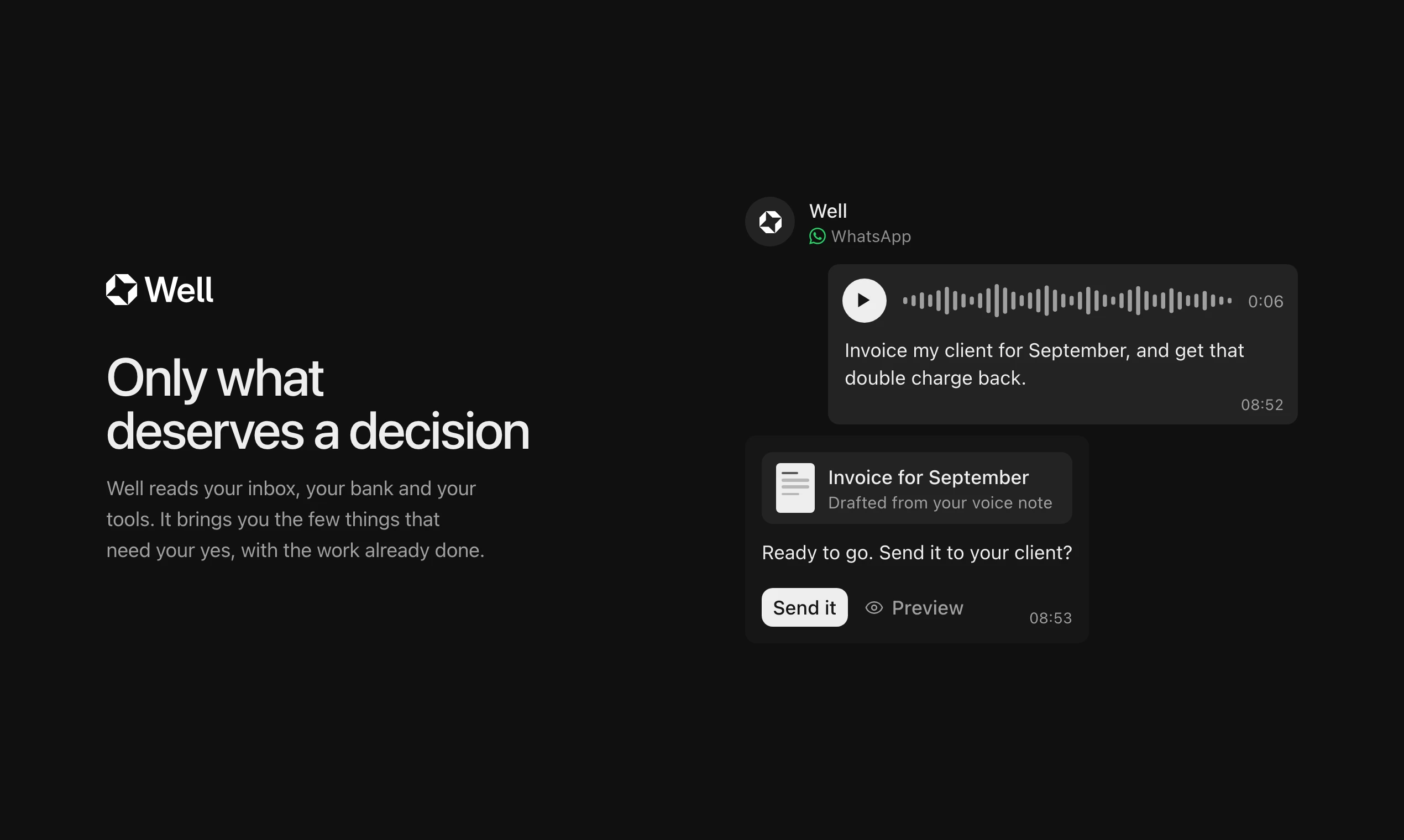
Only what deserves a decision: Well reads the inbox, the bank and the tools, and brings the few things that need a yes.
Download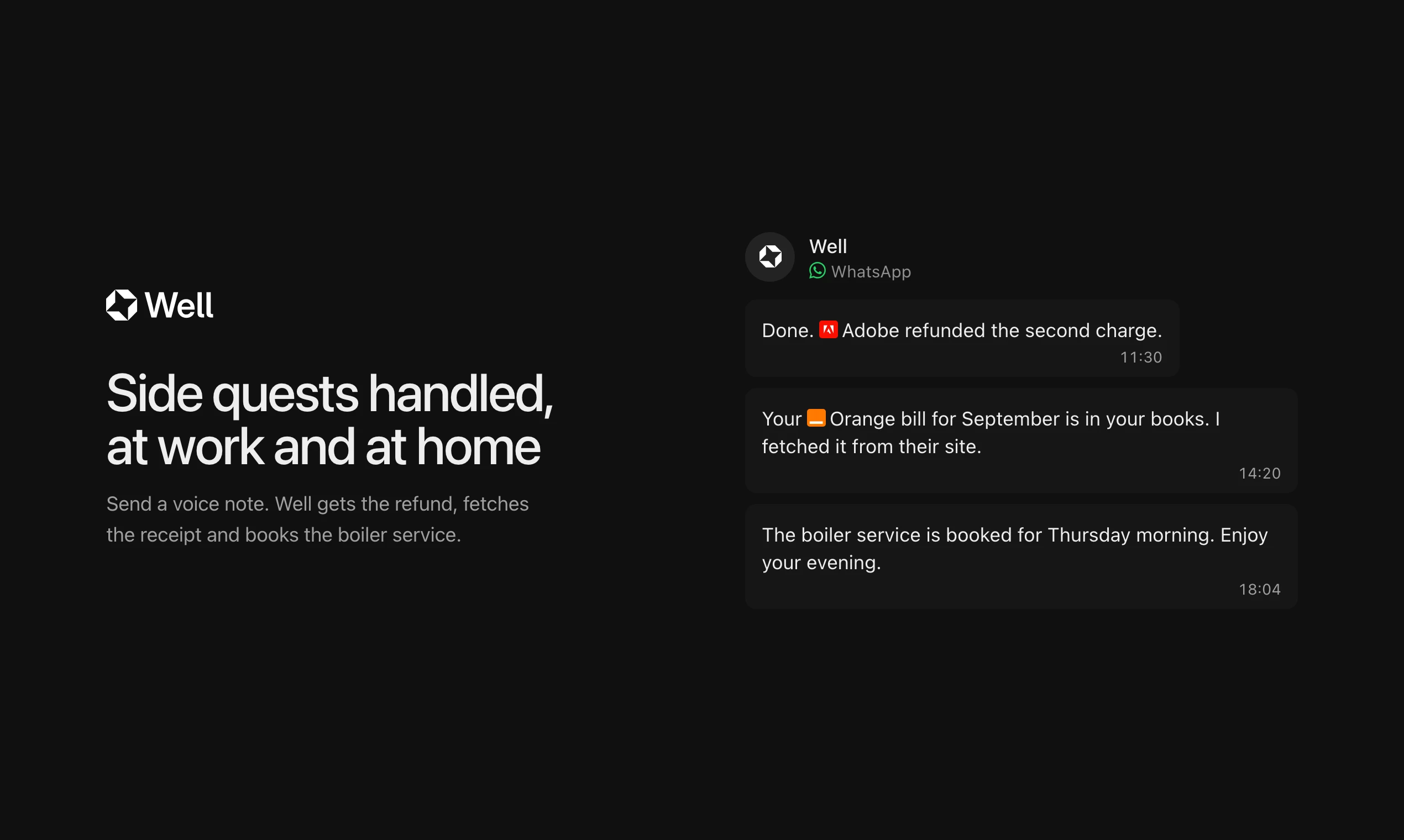
Side quests handled, at work and at home.
Download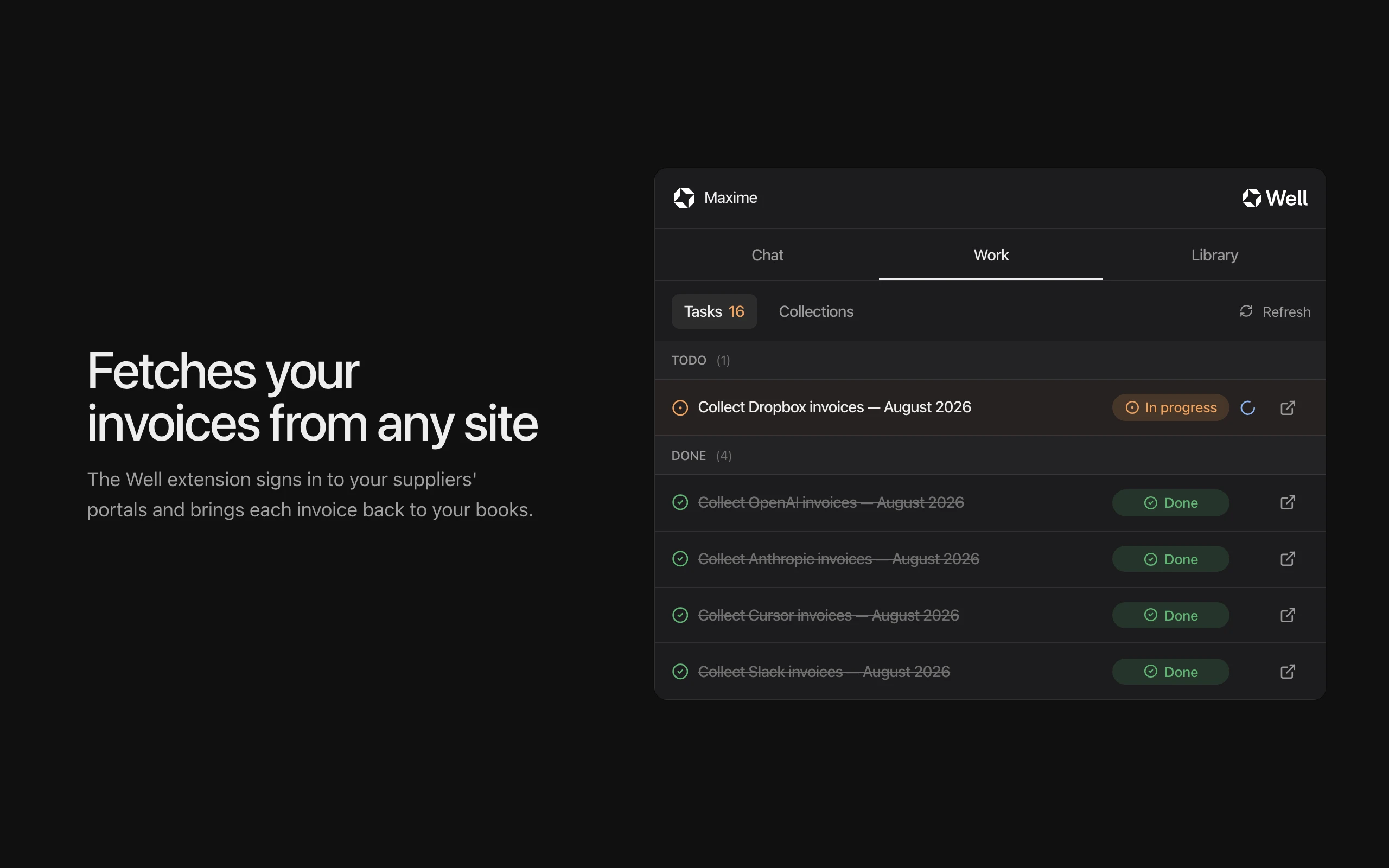
The Chrome extension signs in to suppliers' portals and brings each invoice back to the books.
Download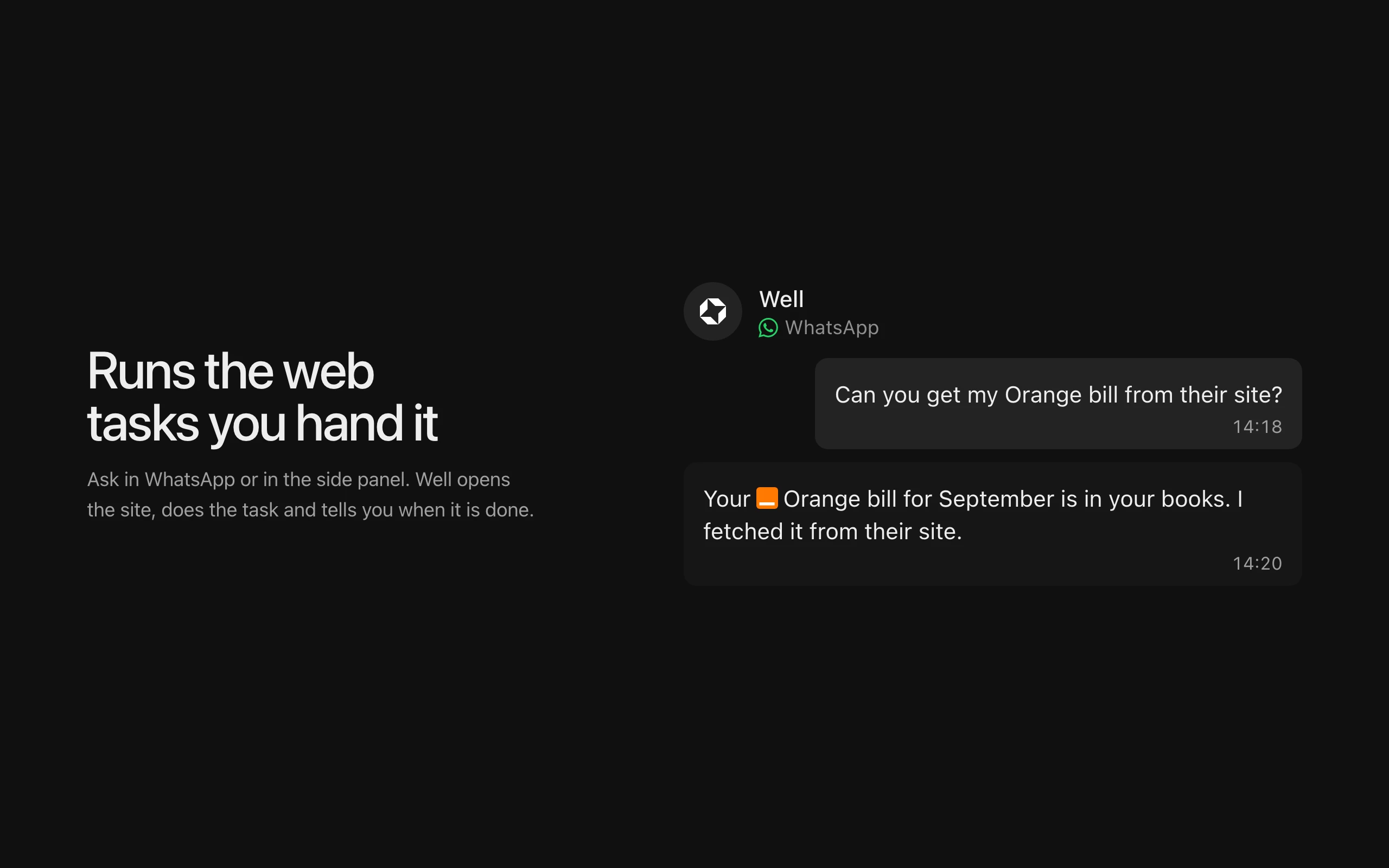
Ask in WhatsApp or in the side panel; Well opens the site, does the task and says when it is done.
Download
The wellapp.ai link preview.
DownloadDescribing Well
The sentence, the short forms and the boilerplate. Copy them as they are.
The sentence
Well is the assistant founders can rely on for the long run: they text it on WhatsApp, it anticipates what they need and handles their side quests by the rules of their company, in their name and with their yes.
Short forms
Boilerplate
Short
For the foot of an article or a release
Well is the assistant founders and small-business owners can rely on for the long run. Founders text it on WhatsApp, and it handles their side quests by the rules of their company: it sorts what needs a decision, prepares meetings, issues invoices that follow local rules, and prepares the books, VAT and URSSAF declarations on validated data. Each company has its own isolated workspace, and nothing that moves money or speaks for the founder goes out without their approval. Founded in 2025 in Paris, Well is based at Station F and raised a $4M pre-seed round led by Speedinvest.
Long
For a backgrounder or a profile
Well is the assistant founders and small-business owners can rely on for the long run. It anticipates what the founder needs and handles the side quests that pull them away from the company, with the depth of the rules the company runs on. Founders text it on WhatsApp, or use it in Claude, ChatGPT, Chrome and the web app. It sorts every signal by urgency and importance so the inbox gets to zero, and prepares each meeting with a one-pager. It creates invoices in Qonto or Pennylane that follow local rules, ready for e-invoicing, with a payment link and a customer portal. It keeps each company in an isolated workspace, on a data model deep enough to prepare the books, VAT and URSSAF declarations on validated data; the founder or their accountant files. It acts on the web through a Chrome extension on the founder's own computer, so credentials stay on the machine. Anything that moves money or speaks for the founder waits for one numbered reply. Well was founded in 2025 by Maxime Champoux and Bastien Blanc, who met at iBanFirst and built core banking systems at Qonto and Fintecture. It is based at Station F in Paris and raised a $4M pre-seed round led by Speedinvest, with Kima Ventures, Purple and OPRTRS Club.
Vocabulary
- System 1, System 2
- System 1 is the immediate answer and the everyday errand. System 2 is the depth behind it: the company's procedures, local regulation and existing tools, so each action still holds later.
- One workspace per company
- Each company the founder runs has its own data, connectors and memory. Bringing several together is the founder's explicit choice.
- Remote control
- Well acts on the web through its Chrome extension, on the founder's own computer and in the sessions already open. Credentials stay on the machine.
- One numbered reply
- Anything that moves money or speaks for the founder waits for their reply. Reading, sorting and preparing need no approval.
Founders
Bios and portraits, cleared for press use. Both founders give interviews in French and English.
Maxime Champoux and Bastien Blanc have built digital banking for more than ten years, including core banking systems at Qonto and Fintecture. They met at iBanFirst, which is where the working relationship starts. Core banking is the hardest system in financial software to get right, and it is where Well's rule comes from: an action that does not last is a mistake.
Maxime Champoux
Co-founder and CEO
Maxime Champoux is co-founder and CEO of Well. He spent seven years at Qonto, joining at about 30 people and helping scale it to 1,600, where he built the core banking system and ran the integration program.
Maxime Champoux is co-founder and CEO of Well. He started in payments at iBanFirst, then spent seven years at Qonto, joining around employee 30 and helping scale the company to 1,600 people. There he built the core banking system, structured a product organisation of about 150, and ran the integration program that connected Qonto to the tools its customers already used. That decade taught him where a business keeps its truth, and where it loses it. He founded Well in 2025 with Bastien Blanc to give every founder one conversation above all of their tools.



Bastien Blanc
Co-founder and CTO
Bastien Blanc is co-founder and CTO of Well. He was VP Engineering at Fintecture, where he built its core banking system, after a decade in data infrastructure.
Bastien Blanc is co-founder and CTO of Well. He began at iBanFirst, then became VP Engineering at Fintecture and built its core banking system. A decade in data infrastructure shaped the conviction behind Well: connectivity without meaning only produces errors faster, so the data model comes first. He owns the resolution layer that turns a company's tools into one context graph.
Key figures
A few dated, sourced numbers about the product and its market.
Well does not publish its number of workspaces or users, nor any internal financial figure.
The product
11,000+
banks reachable through bank aggregation
240+
connectors to business tools
700,000+
records processed in production
The market
The problem
Owners spend about seven hours a week on bookkeeping and more than twenty hours a month on financial tasks. Admin takes roughly a third of the work week, and small companies run 70 to 150 SaaS apps depending on the study. The founder is the integration layer.
SCORE; Xero; JumpCloud 2025; Zylo 2025
FAQ
The questions journalists ask first.
- What is Well?
- The assistant founders and small-business owners can rely on for the long run. They text it on WhatsApp, and it handles their side quests by the rules of their company: it sorts what needs a decision, prepares meetings, issues compliant invoices and prepares the books, VAT and URSSAF declarations, with their approval.
- How is Well different from other AI assistants?
- Most assistants stop at System 1: the immediate answer and the everyday errand. Well adds System 2, the rules of the company: invoices that follow local rules, books and tax declarations prepared on validated data, one isolated workspace per company, and web actions on the founder's own computer.
- How is Well different from Qonto or Pennylane?
- Well works on top of them. It acts inside the founder's Qonto or Pennylane account, from their chat. It does not replace the bank or the accounting tool.
- Does Well replace my accountant or file my taxes?
- No. Well prepares the books, the VAT return and URSSAF declarations on validated data. The founder or their accountant files.
- How does Well decide what is a signal?
- Well watches the founder's connected tools and sorts every event by urgency and importance. It keeps what changes a decision: money that is late, missing or wrong, a deadline, a promise to keep. The rest waits in a digest, available on request, so the inbox gets to zero.
- Does Well act without asking?
- No. Anything that moves money or speaks for the founder waits for one numbered reply. Reading, sorting and preparing happen without interruption.
- How does remote control handle my passwords?
- They stay on your computer. Well acts through its Chrome extension in the sessions you already have open; no credentials are copied to a computer in the cloud.
- Where is the data kept, and how is it protected?
- Well starts from the boundary. Each company the founder runs has its own workspace, with its own data, connectors and memory. Every record belongs to one workspace from the moment it is created, and the server enforces it, never the user or the agent. The founder chooses which workspaces to bring together in a group view. An agent works in one workspace at a time, and only in those the founder has authorised. What Well learns about one company is not passed to another. Well does not train AI models on its customers' data.
- Who founded Well, and when?
- Maxime Champoux and Bastien Blanc, in 2025, in Paris.
- Who invested in Well?
- Well raised a $4M pre-seed round led by Speedinvest, with Kima Ventures, Purple and OPRTRS Club.
- How many people work at Well?
- 12 people, including the two founders (September 2026).
- Is Well profitable? What is its revenue?
- Well does not disclose its revenue or profitability.
- Where is Well based?
- Station F, Paris.
- Can I try Well?
- Well is in private beta and free during the launch.
- Is Well available outside France?
- Well launches in France first, then in the United States, then in the rest of the EU.
Media library
Portraits, logos and product clips. Use the logo on a surface that gives it contrast, and never redraw the symbol.
Portraits
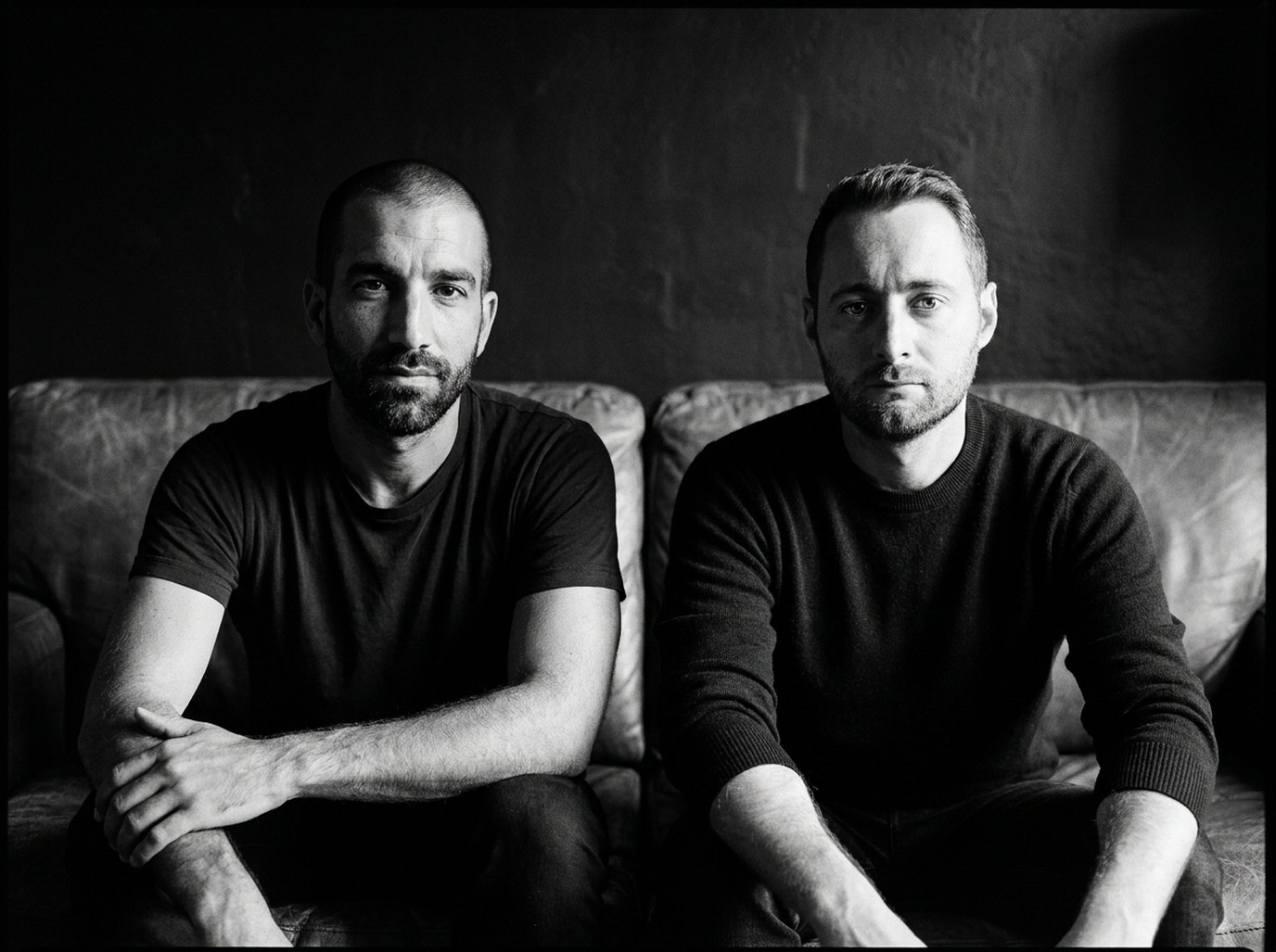
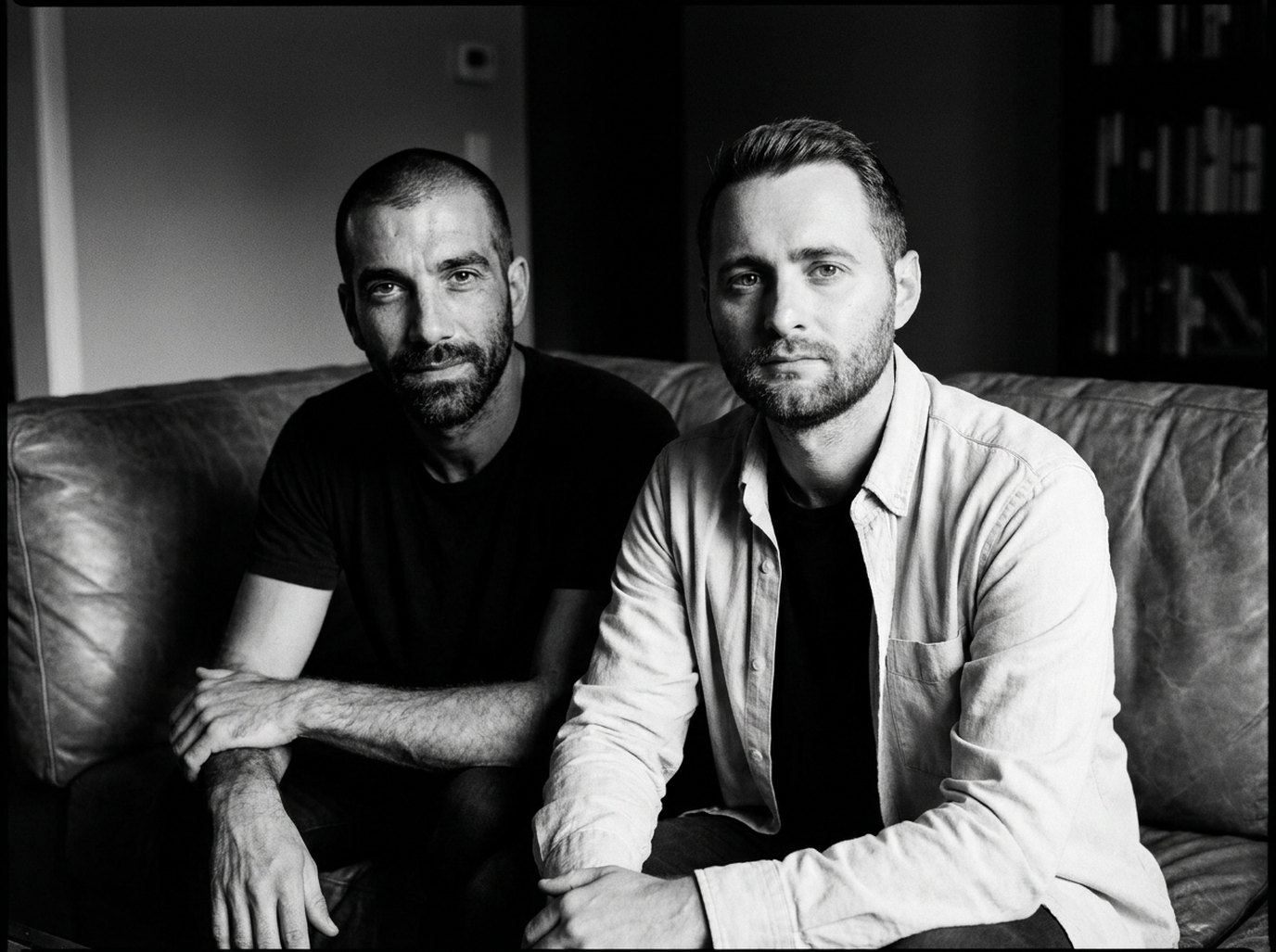
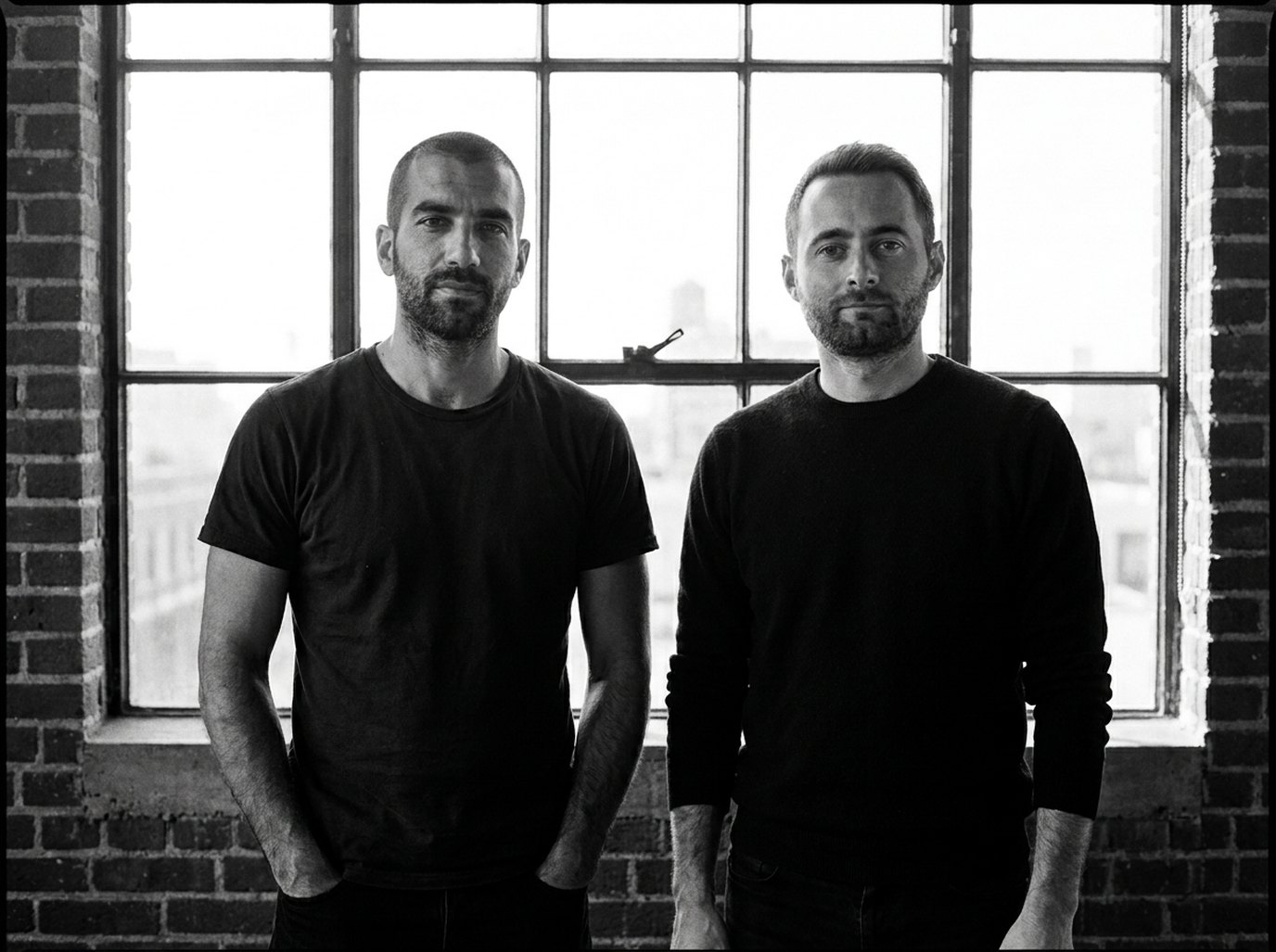
Black and white portraits generated with AI, not photographs. Free to use for press coverage with the credit © Well. Each download is the JPEG at full resolution, 1376 pixels wide.
Maxime Champoux & Bastien Blanc


Maxime Champoux



Bastien Blanc

The office
Black and white, free to use for press coverage with the credit © Well. Each download is the JPEG at full resolution.
The office under its glass roof
Download
The office kitchen
Download
The office rooftop, facing Sacré-Cœur
Download
The office building
Download
The office courtyard
Download
Logo
Download any variation, or copy its permanent link to paste where a site or a tool asks for a logo URL. The app icons carry their own background, so the mark stays visible on any surface.

White logo

Black logo

White symbol

Black symbol

White app icon

Black app icon
Brand colors
One grayscale ramp carries the brand, from the page background to the text. Click a step to copy its hex.
Product clips
Screen recordings of the product, cleared for use as b-roll. Scroll sideways for the whole set.
Enrich records from your tables
2.8 MBSelect rows in any table and press Enrich to fill missing data.
Connect your bank accounts
1.6 MBAbout 11,400 banks, with transactions synced in real time.
Expose your business stack over MCP
1.6 MBAn MCP server that lets AI tools read and write live business data.
Filtering across workflows and tables
1.3 MBFilter documents at the router level and narrow records in tables.
Brand kit
well-brand-kit.zip
Every logo, symbol and app icon in SVG, PNG and JPG at the common sizes, plus a favicon set.
Op-eds
Long-form pieces by the founders, available to publish.
Eleven pieces by the founders, available to publish. Write to maxime@wellapp.ai to receive one.
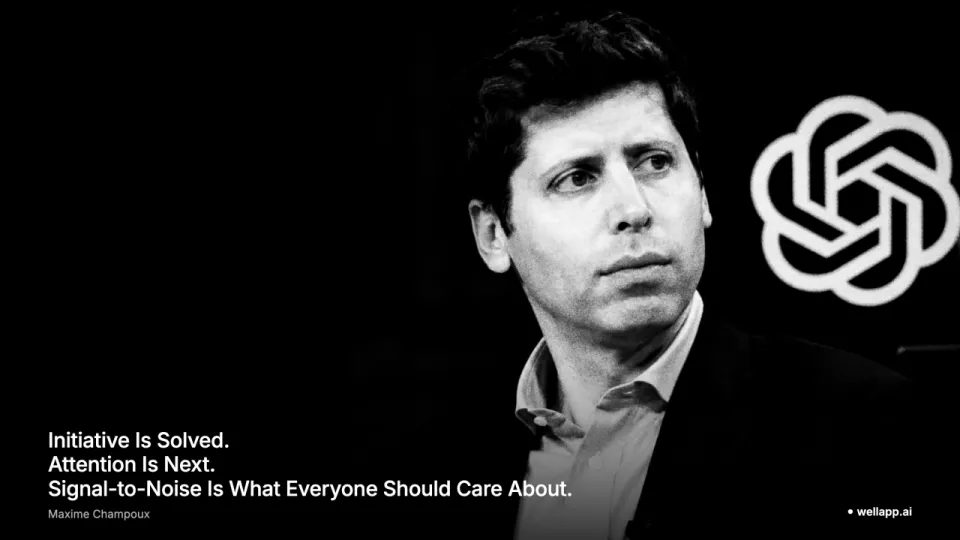
The attention piece
Initiative Is Solved. Attention Is Next.
OpenAI shut down a morning brief that spoke every day, news or not. Every assistant can act now; the one that wins knows when to stay quiet and brings the decision ready when it speaks.
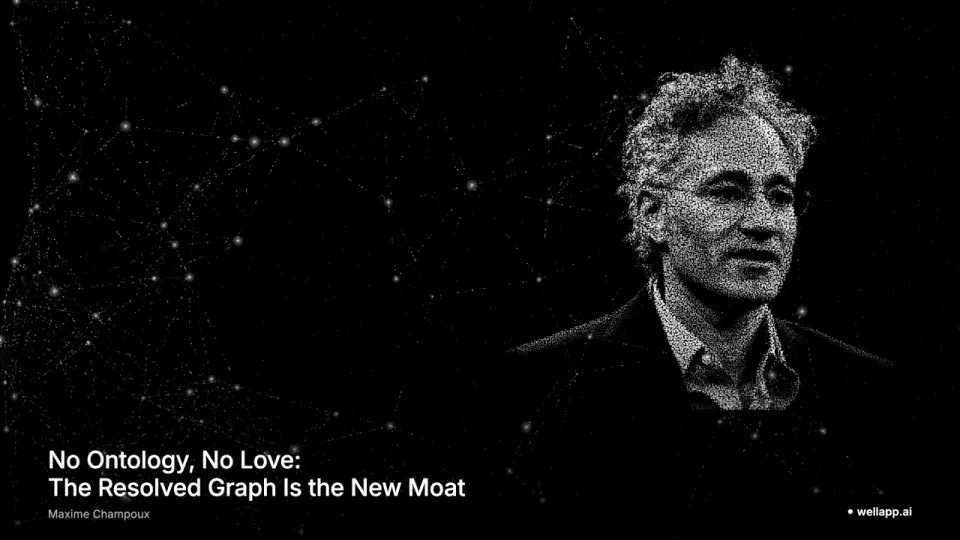
The moat piece
No Ontology, No Love: The Resolved Graph Is the New Moat
Enterprise AI fails not from lack of ambition but from never formalising the data model, and a business should extend the ontology it already owns rather than outsource it.

The velocity piece
The Double Diamond Is Dead. Long Live Design Engineering.
The classic design process broke once shipping velocity outran design review. The design engineer's job moved from front-loaded prototyping to standards curation and tooled anomaly review.
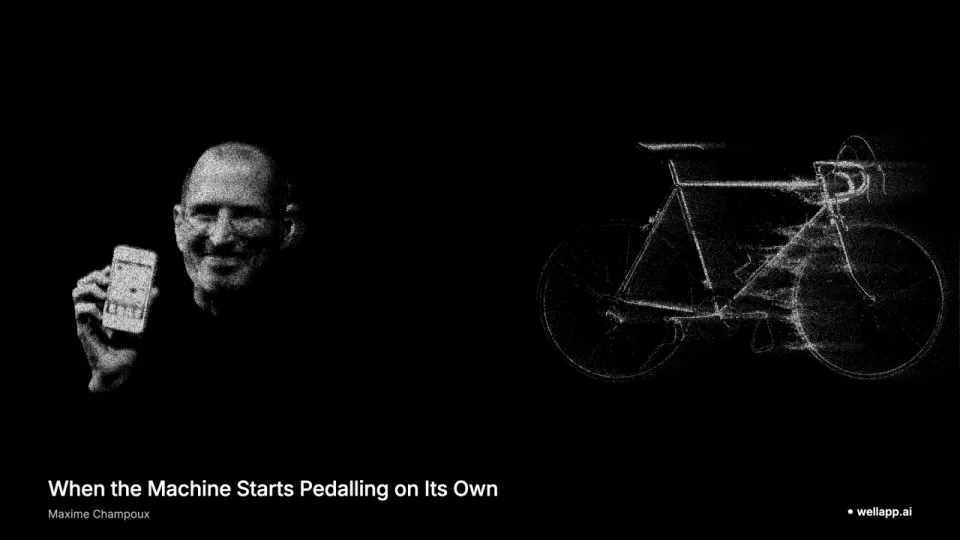
The category piece
When the Machine Starts Pedalling on Its Own
The interface got unbundled from the app. Reads three eras of interface change from fifteen years inside banking, then names the incentive flip that makes this era different.
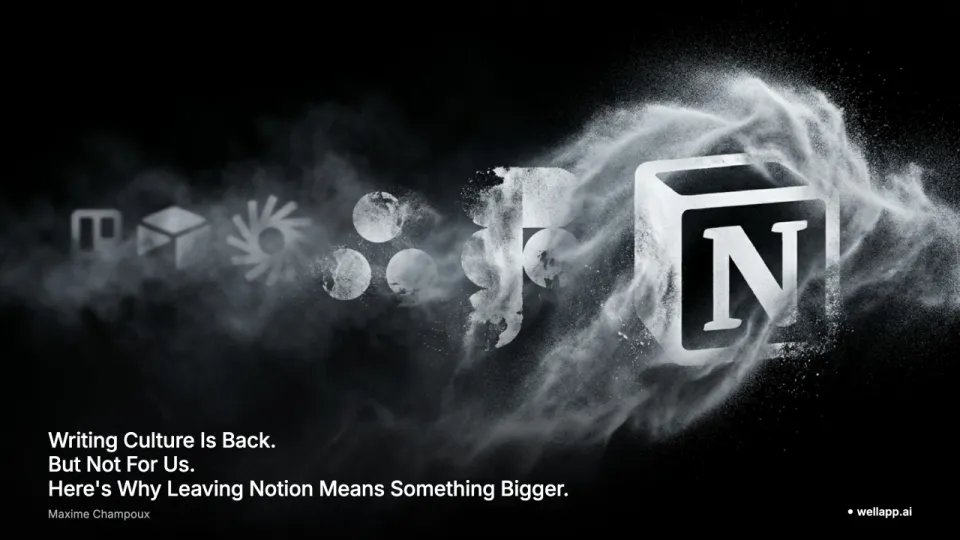
The method piece
Writing Culture Is Back. But Not For Us. Here's Why Dropping Notion Means Something Bigger.
The return of documentation culture is not about company scale, it is about audience. The reader is an agent now, and moving from a wiki to markdown is what that shift looks like in practice.
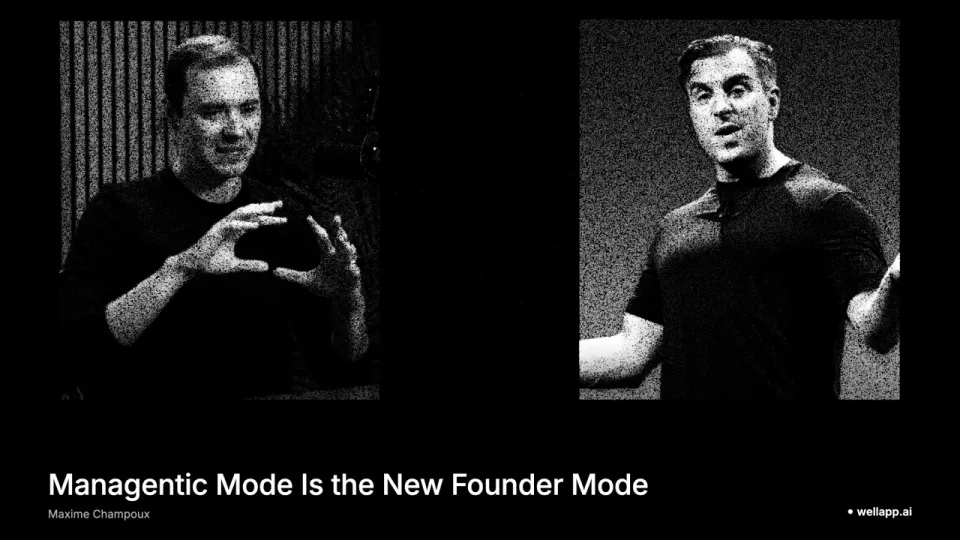
The founder-mode piece
Managentic Is the New Founder Mode
Paul Graham's founder mode said to stay in the details. With agents, the details changed: the founder now directs a team of agents, and managing them well is the new founder mode.
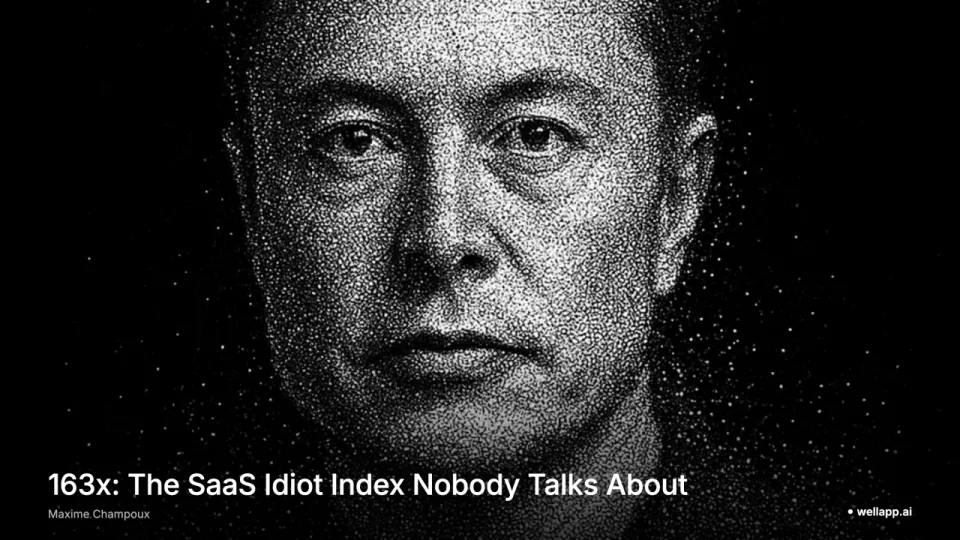
The pricing piece
163x: The SaaS Idiot Index Nobody Talks About
Musk's Idiot Index compares a product's price with the cost of its parts. Applied to SaaS, it reaches 163x, and AI-native software is about to close that gap.
The channel piece
Anthropic Didn't Kill OpenClaw. It Proved Something Bigger.
Anthropic let developers text their coding agent from a messaging app. Far from killing OpenClaw, it proved that the next interface to an agent is the conversation you already have.
The why-now piece
The SaaSpocalypse Wasn't About AI. It Was About Architecture.
The 2026 repricing was an architecture gap, not an AI event. The companies that lost the most value had bolted a conversation box onto database queries instead of building AI-native systems.
The counterweight
Vibe Coding Is a Shein Haul: Why Speed Without Craft Is a Landfill
Speed only compounds when the builder understands the system. Otherwise it produces landfill-grade debt.
The platform piece
The Connector Economy: Why the Next Platform War Is About MCP Hubs
Cloudflare compressed an API of 2,500 endpoints into two MCP tools. The next platform war is about who owns the hubs that connect agents to every tool.
Contact
One person for the press, who answers directly.
Press
Maxime Champoux
Co-founder and CEO
We answer within one business day.
Interviews in French and English.